
Choose a Life Without HIP PAIN With The Movement Clinic Newcastle
Our Physiotherapist are equipped to handle a wide range of hip pain issues, including:
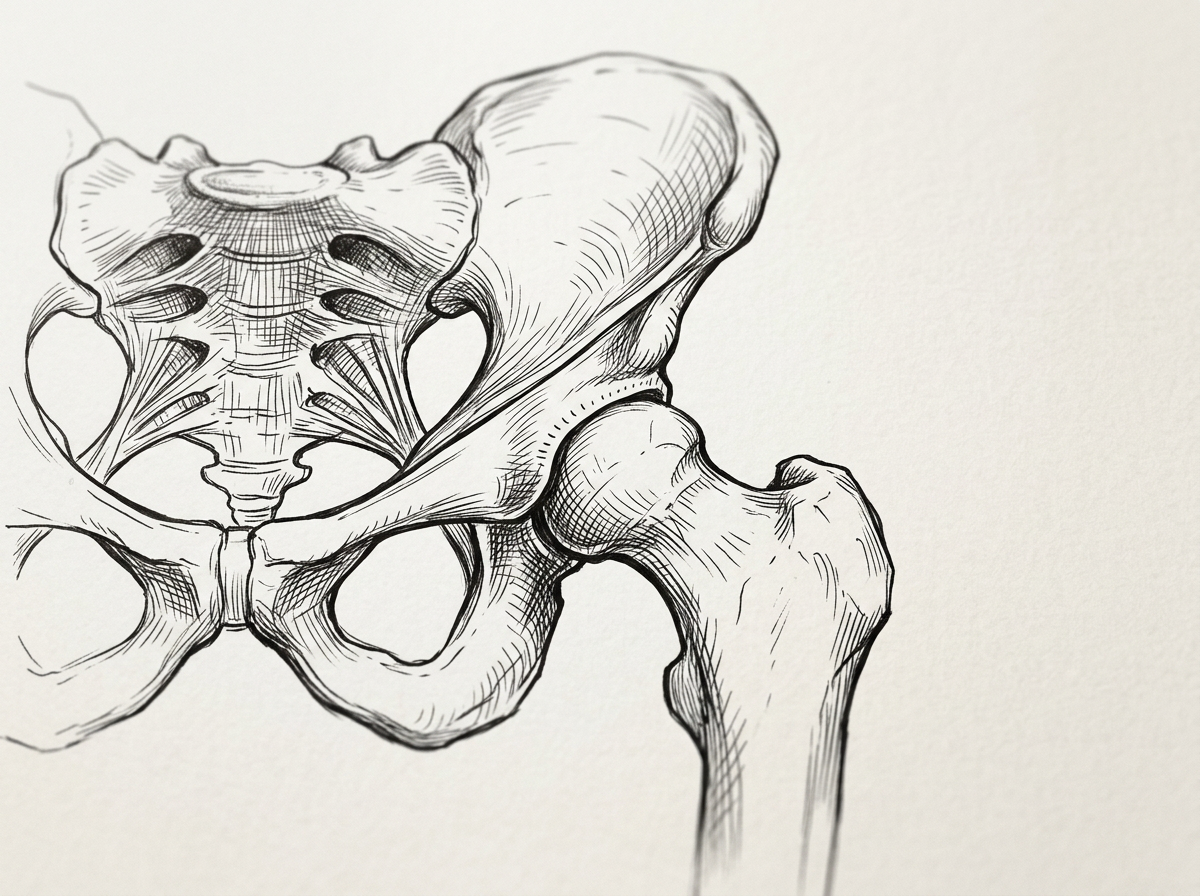
-
Hip bursitis occurs when the bursae, small fluid-filled sacs that cushion the muscles, tendons, and bones around the hip joint, become inflamed. The most common type is trochanteric bursitis, which affects the outer part of the hip. Symptoms include pain and tenderness on the outside of the hip, especially when walking, climbing stairs, or lying on the affected side. Hip bursitis is often caused by overuse, injury, or repetitive stress.
-
Hip impingement, or femoroacetabular impingement (FAI), is a condition where abnormal contact between the bones of the hip joint occurs, leading to damage. In FAI, either the femoral head (ball) or acetabulum (socket) has an irregular shape, causing friction during movement. This can lead to pain, limited range of motion, and eventual cartilage or labral damage. It is common in young athletes but can affect anyone with an irregular hip structure.
-
A labral tear involves damage to the labrum, a ring of cartilage that lines the hip joint and helps stabilize the femoral head in the acetabulum (socket). Labral tears can occur due to trauma, repetitive motion (common in sports), or conditions like hip impingement. Symptoms include pain in the groin or hip, clicking or locking sensations, and reduced range of motion. Labral tears can lead to instability in the hip joint if left untreated.
-
Hip Osteoarthritis (OA) is a degenerative joint condition where the cartilage that cushions the hip joint wears down over time. This leads to pain, stiffness, and reduced mobility in the hip. OA is more common in older adults but can also be caused by previous injuries or excessive joint strain. As the cartilage deteriorates, bones may rub together, causing pain and inflammation, often worse with activity and better with rest.
-
A groin strain is an injury to the muscles of the inner thigh or front of the hip (adductor muscles). It occurs when these muscles are overstretched or torn, usually during sudden movements like running, jumping, or changing direction. Symptoms include pain and tenderness in the groin area, especially during movement, swelling, and sometimes bruising. Groin strains are common in sports involving quick directional changes, like soccer or basketball.